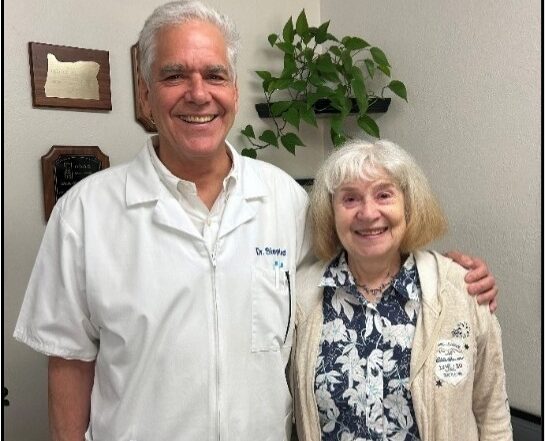

Dr. George Siegfried

301 Dunn Place
McMinnville, OR 97128
(503) 472-6550

6501 SW Macadam Ave
Portland, OR 97239
(503) 977-0055

Our Blog

Why we crave sugar

Why we crave sugar?


Adapted from Nutrition News and Views, November/December 2011, Vol.15, No.6, Metabolic Syndrome (Syndrome X), by Judith A. DeCava, LNC, CNC


Some authors say it is due to a lack of B vitamins. The B vitamins are needed by the liver, nervous system and other systems. They say a shortage of B vitamins allows the blood sugar to drop, meaning insulin, and craving is the body’s mechanism to the brain for more food. So many times more and more sugar—meaning refined carbohydrates, sugar itself, high fructose corn syrup, etc—is consumed. Round and round it goes. Until diabetes, type 1 or 2 appears in your body. But there is another way to solve the craving and the diabetes, which is happening with patients of mine these days. Without drugs.


Basically it is to remove all refined carbohydrates from the diet. Or at least cut down, way down. This means refined sugars, like corn syrup, artificial sweeteners, refined flours, refined grains (white rice, etc.) and all non-foods made with them—in other words, a big part of the western diet, or the “white plague”, as Dr. Price called it: white flour, white sugar, pasteurized milk. Eating these “non-foods” alerts the body that it must recruit its reserves to try and not only digest but to eliminate these “non-foods” and all their trappings. Hence, a deficiency, over time, is created.


On the other hand, foods high in complex carbohydrates are beneficial and are high in needed nutrients. Preferably organic fruits, vegetables, whole grains—unless one is gluten intolerant—nuts, seeds, beans and others are shown to help sugar metabolism, preventing the onslaught of diabetes, obesity, heart disease, etc. All diseases of “modern civilization”.


Natural protein-containing foods are beneficial (beef, lamb, pork, poultry—preferably pasture-fed and free range, like “Full of Life Farm “ in St.Paul:www.fullof life farm.com, plus fish, eggs, raw milk products. The body breaks down protein into amino acids or peptides , some of which are stored in the liver for the manufacture of glucagon, which allows for the release of glycogen (the storage form of glucose)—the body’s backup system when glucose levels start to fall after a meal. Can you say “would you like some dessert?”


Also, the refined carbohydrates, the “empty calories” and the lack of the complete B vitamin complex so prevalent in the modern diet also contributes to low energy, depression, insomnia and a general sense of “just not feeling well”


No protein, or poor quality protein, means no glycogen. No glycogen means no backup glucose which triggers intense cravings for sugars or other carbs as the body signals for more glucose. What’s your preference? Pie, ice cream, coffee, etc.? Can you say “Food Coma”?


Alternatively, natural fats, good fats, help satiety—feeling satisfied—are easy to digest, and are burned for fuel quickly and efficiently. Natural fats tend to speed up metabolism in general while slowing the digestion of sugars. Keep in mind that your body is unique, so how much protein, fats, carbohydrates your body may need may differ from someone else. I wonder what school the French, Italians, Greeks and other Mediterranean cultures, etc.went to in learning that fats like butter, olive oil and other “good fats” actually help your body in more ways than one. Digestion, blood sugar regulation are just two.


How about the health aspects of good fats helping to make new cells in the skin, hair teeth and nails. As well as hormones, muscles, etc. Good fat, good digestion, good cells, good health.


From the whole food concentrate supplement standpoint, I always recommend at least “one a day” of  our Fermented Cod Liver Oil/ Butter Oil, Wheat Germ/Flax combo and Essential Balance. This is the equivalent of at least a good tablespoon of GOOD FAT that you may or may not be getting in your daily diet.


For blood sugar issues, like diabetes 1 or 2, Cod Liver/Butter Oil combo and our GTF formula are all that some need to alter the path of their diabetes and sugar cravings. Which add certain factors missing in their regular diet. Of course, improving the diet and regular exercise of some sort always helps.


Mounting evidence points to the importance of a “personalized nutrition” approach—diet tailored to the individual. Some people are more efficient at burning fat, others more efficient at burning carbohydrates, for instance. Since genetic tendencies are influenced by lifestyle, getting the right balance of nutrients and phytochemicals that interact with genes will affect different systems in your body. Real food supplies the variety and balance needed for SELECTIVE ABSORPTION of an individual’s needed nutrients.


Brief Nutritional Consultations with Dr. Siegfried are free. McMinnville call 503-472-6550. Portland call 503-977-0055.

Post by: Dr. Siegfried on 2012-01-25 12:30:36

Memory and your health

British Medical Journal: Brain drain starts at age  45 — not age 60
Younger men and women had 3.6% drop in mental reasoning

Read more: http://www.nydailynews.com/life-style/health/british-medical-journal-brain-drain-starts-age-45-age-60-article-1.1001921#ixzz1inqaJfaf


Dr. Siegfried here. Why does this happen? A deficiency of RNA, ribonucleic acid.


According to Mr. John Courtney, who was the Head of Research and Development for thirty years for Standard Process Laboratories, founded by Dr. Royal Lee, DDS, this product is indicated for cold extremities, mental aberrations, hypothyroidism, keloids and scar tissue, chronic low resistance, memory loss/senility.


RNA supports cell growth by activating protein synthesis in the blood, memory factor of the cell, and promotes healing.


Mr. Courtney: Ribonucleic Acid is usually called “RNA”. It is a yeast extract that is just what the name implies: ribo-nucleic acid. RNA is involved in cell multiplication and development and it’s a relative of the protomorphogens. RNA helps build cells by supporting protein synthesis. It is of merit for most people with mental aberrations: people who cannot remember things, for example. People who lose their ability to think properly as well as their memory need RNA. Dr. Frank of New York City wrote a book on RNA. He is primarily trying to reverse the aging process through the use of RNA. If protein isn’t being utilized at the cellular level, it’s likely to be present in the blood in excessively high levels, impeding circulation and causing problems such as cold extremities. So this is another use for RNA, as many as 12 daily for people with cold hands and feet. It’s also useful in promoting healing. For example, to assist in the nutritional removal of scar tissue, keloids, etc. The formation of white blood cells is inhibited in a deficiency of nucleic acid, so RNA can be helpful to people with chronic low resistance to infection, fever, colds, etc. This is an excellent product with many uses, all relating in one way or another to the formation of new tissue.


In my practice, I have had patients/students tell me that their short term memory and their “overall mental outlook” improve with the use of this product.


For more information please call the clinic at 503-472-6550.


Post by: British Medical Journal on 2012-01-09 11:07:38

Chiropractic adjustments and exercise

Spinal Manipulation, Exercise Trump Drugs for Neck Pain

Fran Lowry

January 5, 2012 — Spinal manipulation therapy (SMT) and exercises that patients can learn to do at home are more effective than medication for relieving neck pain, both in the short and long term, according to results from a new study published in the January 2012 issue of the Annals of Internal Medicine.

However, the results of this trial are not going to be applicable to all patients, lead author Gert Bronfort, DC, PhD, from the Wolfe-Harris Center for Clinical Studies, Northwestern Health Sciences University, Bloomington, Minnesota, told Medscape Medical News.

"You have to individualize the treatment," he said. "It has a lot to do with where the patients are in their history of neck pain, what they've experienced in the past, and what their preferences are, but at least these treatments represent some viable options that can be offered to patients."

Dr. Bronfort said that he and his team believed that spinal manipulation would be better than medication for improving neck pain, at least in the short term, based on their past experience. However, they were surprised to find that the home exercise program turned out to be just as successful, he admitted.

"The home program involved a couple hours of instruction in self care and specific neck exercises, where patients were taught how to avoid certain postures, such as sleeping and working postures, that would aggravate their neck pain," he explained.

Nonspecific Neck Pain

In the study, 272 patients aged 18 to 65 years who had nonspecific neck pain for 2 to 12 weeks were randomly assigned to receive 12 weeks of spinal manipulation therapy, medication, or home exercise with advice. The spinal manipulation therapy was given by 5 chiropractors who were well-trained and experienced in the procedure, Dr. Bronfort said.

Medication was provided by licensed medical physicians, with a focus on prescription drugs. First-line therapy was nonsteroidal anti-inflammatory drugs, acetaminophen, or both, the authors note. Those patients who did not respond or could not tolerate the first-line therapy received narcotic medications. Muscle relaxants were also used, and advice to stay active or modify activity was given as needed. "The choice of medications and number of visits was made by the physician on the basis of the participant's history and response to treatment," the authors write.

Pain, as reported by the study participants, was measured at 2, 4, 8, 12, 26, and 52 weeks.

Results showed that spinal manipulation had a statistically significant advantage over medication after 8, 12, 26, and 52 weeks (P < .010), and that home exercise was superior to medication at 26 weeks (P = .02). No important differences in pain were found between spinal manipulation therapy and home exercises at any time.

Patients who received spinal manipulation therapy or home exercises also reported similar improvements in self-reported disability, medication use, general health status, and adverse events. However, patients said they were more satisfied with spinal manipulation than with home exercise.

With regard to adverse effects, 40% of the spinal manipulation group and 46% of the home exercise group reported adverse events. The most common was musculoskeletal pain, and less frequently they experienced paresthesia, stiffness, headache, and crepitus.

Among patients randomly assigned to the medication group, 60% reported adverse effects. The most common were gastrointestinal symptoms and drowsiness, followed by dry mouth, cognitive disturbances, rash, congestion, and disturbed sleep.

Dr. Bronfort pointed out that patients could not be blinded in this study, and that this was an important limitation. He also suggested that participants who received spinal manipulation may have been more likely to experience improvement in their neck pain and be more satisfied with their care because they had more frequent interactions with their care providers.

"When we started the study there was really not very much scientific evidence to support any treatment, really," he said. "You would think that neck pain would disappear by itself, and it does in a number of patients, but about half will go on to have chronic or sporadic neck pain, even a year later. What we don't know is to what extent spinal manipulation or home exercise can prevent more chronic conditions, and this is something that we need to find out."

Pragmatic Trials

In an accompanying editorial, Bruce F. Walker, DC, MPH, DrPH, from Murdoch University, Perth, and Simon D. French, PhD, from the University of Melbourne, both in Australia, point out that the 3 therapies in this study were not compared with a placebo or sham therapy. Such comparisons would have provided more convincing evidence of effectiveness, they write.

A cost analysis would also have been useful, they add, and they point out that neck manipulation has the potential for a rare, but potentially catastrophic, risk for vertebral artery stroke, and warn that patients should be advised of this possibility.

"Pragmatic trials, such as the one by Bronfort and colleagues, have their place in answering important questions about current treatment approaches, but we need innovative studies that explore which treatments benefit which of the many people who experience disabling neck pain," the editorialists conclude.

This study was funded by the National Center for Complementary and Alternative Medicine, National Institutes of Health. Dr. Bronfort, Dr. Walker, and Dr. French have disclosed no relevant financial relationships.

Ann Intern Med. 2012;156:1-10, 52-53. Article abstract, Editorial extract


Post by: Fran Lowry on 2012-01-06 12:52:56

New York Times Article On Neck Pain

For Neck Pain, Chiropractic and Exercise Are Better Than Drugs

By ANAHAD O'CONNOR

Tony Cenicola/The New York TimesWhat’s the best treatment for neck pain?

Seeing a chiropractor or engaging in light exercise relieves neck pain more effectively than relying on pain medication, new research shows.

The new study is one of the few head-to-head comparisons of various treatments for neck pain, a problem that affects three quarters of Americans at some point in their lives but has no proven, first-line treatment. While many people seek out spinal manipulation by chiropractors, the evidence supporting its usefulness has been limited at best.

But the new research, published in The Annals of Internal Medicine, found that chiropractic care or simple exercises done at home were better at reducing pain than taking medications like aspirin, ibuprofen or narcotics.

“These changes were diminished over time, but they were still present,” said Dr. Gert Bronfort, an author of the study and research professor at Northwestern Health Sciences University in Minnesota. “Even a year later, there were differences between the spinal manipulation and medication groups.”

Moderate and acute neck pain is one of the most frequent reasons for trips to primary care doctors, prompting millions of visits every year. For patients, it can be a difficult problem to navigate. In some cases the pain and stiffness crop up without explanation, and treatment options are varied. Physical therapy, pain medication and spinal manipulation are popular options, but Dr. Bronfort was inspired to carry out an analysis because so little research exists.

“There was a void in the scientific literature in terms of what the most helpful treatments are,” he said.

To find out, Dr. Bronfort and his colleagues recruited a large group of adults with neck pain that had no known specific cause. The subjects, 272 in all, were mostly recruited from a large HMO and through advertisements. The researchers then split them into three groups and followed them for about three months.

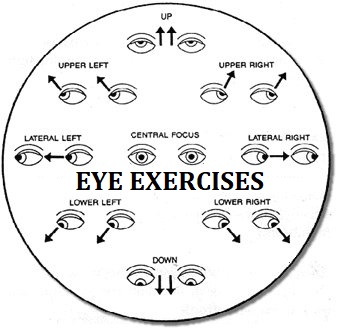
One group was assigned to visit a chiropractor for roughly 20-minute sessions throughout the course of the study, making an average of 15 visits. A second group was assigned to take common pain relievers like acetaminophen and — in some cases, at the discretion of a doctor — stronger drugs like narcotics and muscle relaxants. The third group met on two occasions with physical therapists who gave them instructions on simple, gentle exercises for the neck that they could do at home. They were encouraged to do 5 to 10 repetitions of each exercise up to eight times a day. (A demonstration of the exercises can be found at www.annals.org).

After 12 weeks, the people in the non-medication groups did significantly better than those taking the drugs. About 57 percent of those who met with chiropractors and 48 percent who did the exercises reported at least a 75 percent reduction in pain, compared to 33 percent of the people in the medication group.

A year later, when the researchers checked back in, 53 percent of the subjects who had received spinal manipulation still reported at least a 75 percent reduction in pain, similar to the exercise group. That compared to just a 38 percent pain reduction among those who had been taking medication.

Dr. Bronfort said it was a “big surprise” to see that the home exercises were about as effective as the chiropractic sessions. “We hadn’t expected that they would be that close,” he said. “But I guess that’s good news for patients.”

In addition to their limited pain relief, the medications had at least one other downside: people kept taking them. “The people in the medication group kept on using a higher amount of medication more frequently throughout the follow-up period, up to a year later,” Dr. Bronfort said. “If you’re taking medication over a long time, then we’re running into more systemic side effects like gastrointestinal problems.”

He also expressed concern that those on medications were not as empowered or active in their own care as those in the other groups. “We think it’s important that patients are enabled to deal with as much control over their own condition as possible,” he said. “This study shows that they can play a large role in their own care.”


Post by: on 2012-01-06 11:32:41

November Newsletter

Your Health, Your Hope

  Dr. Siegfried’S Health NotEs: empower yourself At Home

Happy Thanksgiving/Happy Holidays

To all of you, your friends and families!

Before I forget!! If we have snow this winter, we will be open, and the driveway will be clear! Sorry, no sledding down it! I shovel it myself early, unless the snow is deep like a few winters ago, and then I hire a guy with a blade to plow it. Either way, the show must go on. We will be here to help you with “snow back, wood back, leaf back, winter back, etc.”

FALL FOOD DRIVE!! Help us help others this holiday season. Last year the clinic collected over 350 lbs of food. Let’s beat last year!!

Social Commentary

I would be remiss if I did not mention our overall situation in this great country. Be it politics, economics, and my obvious passion, “healthcare”. Regarding your health, it seems like we are on our own more and more regarding our health. What do I mean by that? I mean that there is so much information available now that it is hard to know “WHO’S ON FIRST”.

 Let’s take a look at the “healthcare industry”.

Watch the TV? (I admit it, I like sports and a few other shows), watch the ads. Take this drug, take that drug. You can hardly hear the side effects the guy is talking so fast. But in the end? “ASK YOUR DOCTOR”. Problem is, just who is your Doctor and what will he/she tell you? It’s really tough because depending on who and which kind of doctor you ask about what, you may get multiple answers. Which puts you right back to where you started. So you go to Web MD, or other places on the internet and try to understand your symptoms. This is a good exercise. You get some good information. But in the end, with all the different approaches available to people for the myriad of health problems we are faced with, again it can be back to square one. My advice to you?

Use your intuition as much as possible. How many people do you know, probably including your self at times, who have taken the advice of someone you respect in the “healthcare” industry only to figure out at a later date it was bad advice? Worse yet, the side effects of such advice may be just as bad as the treatment. I know it has happened to me. The examples are endless. Of course, there are examples of good advice being given as well, being followed, and you are happy with the outcome.

In the end, you have to go with your gut and also believe in/trust the provider of the information and their recommendations. Does what you have been told make sense? What are the risks? What are the benefits? Costs? Etc. It’s not easy being a healthcare consumer today. Or any kind of consumer for that matter. But it doesn’t change the fact that when you have a certain health consciousness, you expect to be as well as you can be, by making use of all there is available so that you can simply live your life as best you can, as healthy as you can. It is really that simple. And that complex. Caveat Emptor, 24/7. Your food, water, air, healthcare providers, supplements, medications, exercise, etc. These all need to be scrutinized, questioned, evaluated, etc. Why? Because it is your health, your life, and you want to be around to enjoy it as much as possible, as long as possible.


What a wonderful season upon us

Leaves falling, crisper air, days and nights, beautiful sunsets—when we can see the sun!!—beautiful moons, beautiful fields of harvested grapes, grains, berries, nuts, fruits, vegetables. This is a gorgeous part of the world to be in. I have quite a few patients who are world travelers and tell me they prefer this area to all others. I have had my share of travels—although I crave more—and agree quite a lot. The winters are kind of tough at times because of the gray and dark and rain, but the wood burning, fresh air, close proximity to the beach and mountains and generally mild winters tempers all the down sides. Sitting by the fire, watching the storms from a hotel room, walking a windy beach with the dog—and very few people around—and so many other things there are to enjoy, make the great northwest indeed a great place to be. But there is also a price to pay if you aren’t careful.

Do you get SAD             

(SEASONAL AFFECTIVE DISORDER)??

This is a very common problem. It is a clinical term for the blahs, depression, lack of energy, boredom, malaise, etc. So what can you do? Glad you asked? There are different things actually.

At this time of year, in the Northwest and Northeast part of the country, the drug business is going strong. Can you say anti-depressants? But there are options to the drugs. Many. Let me give you a few that you can use at home on a daily basis. But let’s talk briefly about the effects of the Northwest Winters on our bodies and minds.

Basically, it is your nervous system that suffers the most. Your brain does not produce enough “happy chemicals”, so you may feel blue, lethargic, short tempered, tired, downright depressed, etc. But there are answers other than just taking drugs, whose side effects by the way can be worse than the reason you take the drug. Let’s look at some simple remedies.

What about lighting?

During this time of year when it gets so dark so fast, consider installing full spectrum lighting in your house. Dr. John Ott, Ph.D. wrote a book years ago called “Health and Light”. Basically he said that being in the sun is good for you. Not 24 hours a day but you know what I mean. He made and patented a particular technology that mimics the sunlight, called full spectrum lights, which

helps the body during the winter. Some schools actually have switched from “Cool Lights” to “Full Spectrum Lighting” and the effects on the children in learning, attention span, and overall health is remarkable. You can purchase these by googling ottlights or Dr. Ott, etc. I don’t have it handy. Some stores handle them but not many. Ott lights are the best to my knowledge. Just by having them on helps your body make “happy chemicals” so you feel and function better. Of course, going to Hawaii would be good too. Short of that, get Ott Lights.

Proper exercise. This helps your body make “happy chemicals” so that you actually feel good in spite of the gray. Whatever you enjoy most. Just do it. Consistency will get your best results. Even a 15 minute walk does wonders.

Are you getting enough sleep? Fatigue only makes things worse, no matter where you live. But here, improper sleep/rest only makes the winter worse. How is your water consumption? Our neurophysiology teacher used to tell us that the best thing to do, first thing in the morning, is to drink at least one glass of water—spring water: Earth2O or Chrystal Geyser are the one’s I recommend---because the water hydrates your brain and “charges it up” and in doing so “charges up” the nervous system which “fires up” so many systems in the body. In short, water “gets your body going”. Just don’t be too far from the lieu because it also cleans you out. Don’t like water? Ok. Just drink a little bit. In time, you will and will drink more.

How about your “Fuel Intake” or food and drink? Try and avoid the “White Plague” as Dr. Weston Price called refined flour, refined sugar, and pasteurized milk. These “non-foods” rob your body of what are called the “mineral activators” or “essential nutrients” that are like sparkplugs to your system. Without them, your body/machine simply doesn’t function as well as it could/should. Not only that, they contribute to what are called chronic degenerative diseases like arthritis, osteoporosis, bad teeth, cancer, etc. And also try to avoid the preservatives, etc. The other side of the equation?

Fresh, local, organic, non-gmo’d foods. Pure and simple. When you are at the store or wherever you purchase anything, ask yourself this question, or the vendor as well: where has this food come from, how has it been produced, processed, tampered with etc. If it isn’t fresh fresh fresh, I would be careful. A recent article in one of my chiropractic journals had a story about a chiropractor who traveled to Micronesia, and spent several months treating the islanders with chiropractic adjustments. One of the islands had no fresh or running water as we know it. They have lived there for thousands of years and have figured it out for them. The drink lots of coconut milk, eat lots of coconut, bananas, mangoes, other tropical fruits, bread, fish and they raise pigs. That is their basic diet. And they use solar energy for any electricity they need. An unbelievable story. The point is, they have really fresh food.

And don’t forget about butter. At this time of year, butter is very, very good, and is high in the “X-factor” that Dr. Price found among many native foods of the “primitive” or indigenous people that he studied. The X-factor is a fat soluble vitamin. The fat soluble vitamins are important for the synthesis of steroid hormones, which are building blocks for every cell and tissue in the body. But don’t worry; you won’t look like a freak if you get a lot of fat soluble vitamins in you. Your body knows how to naturally use them as opposed to the athletes who use synthetic hormones and end up looking like freaks at times. The Weston Price Foundation has some good articles available on why “butter is better”.

FRESH FISH: One of my patient’s, Pete Wiebe, has fresh frozen Alaska Sockeye Salmon fillets for sale. He caught it this summer. It is as good as you’ll find, short of going to Alaska and catching it, freezing it, and shipping it down here yourself. He makes this trip yearly in the summer and he still has some left, at 2010 prices. You can call him at 503-510-7959. You can buy the fillets individually or in quantity. Purchase as few as a couple or as many as a 50 lb. box and get 10% discount. Great for a couple families to go in together. The fillets are cut with the bellies so the GOOD FATS are on the fillets. Also available are Salmon Roe, plus some trimmings from the fillets which are good for Seafood Chowder. If you want to be on the “MEDITERRANEAN DIET”, this fish is a great part of it for the essential omega 3’s and 6’s.

Caution?

There is a lot of press lately about E-coli in our food chain. There are many reasons for this. Basic public health measures are probably #1. But also all the processing that goes on getting foods to market. And when people hear this, a whole industry can be altered or even shut down. And the alterations may not be for the better. Ex. the California almond scare of a few years ago. It was not what the press made it out to be, but it changed the way the nuts are processed. The outcome of that it is very hard to get raw, uncooked, untreated almonds anymore. And who knows what other chemicals are used in the processing. Just like the wine industry. Many chemicals are used in the making and processing of wine that do not have to be reported to the consumer. So you must…

KNOW YOUR SOURCES AND THE PEOPLE? COMPANIES YOU ARE BUYING FROM. We are fortunate in this area because there are people with small, for ex., nut orchards who sell to the public but are still not under the ag department umbrella. These are the people you want to know and buy from, assuming they are not spraying their trees with chemicals. And if they are, tell them to consider using Sea Crop 16™, which is a seaweed extract that is used in over 80 countries now by farmers/growers who end up using fewer chemicals all the time. I have it at the clinic in small containers for you gardener’s and bigger containers for farmers ( as little as 1 pint per acre per application). A little goes a long way. Those of you using it in your gardens, spring or fall have noticed a difference in the look and vitality of your plants, not to mention the nutrient density vastly increasing. And of course the taste. So again, beware where you buy your food, and what’s been done to it.

Also consider all the seasonal colorful fruits and vegetables at this time of year. They are given to us for a purpose. And that is to bolster our immune system as the seasons change. The reason they bolster the Immune  System (Immune Support is the whole food supplement I recommend) is because according to the research, the vitamin A and C in them feed the Lymphatic System which is a major part of your Immune System. When the lymphatics are working well, you won’t get sick as a rule. You don’t need flu shots. What your body needs is sound nutrition and your immune system will be fine.

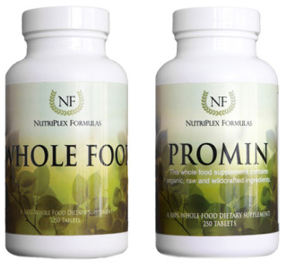
What about supplementation (Whole Food Concentrates are best).

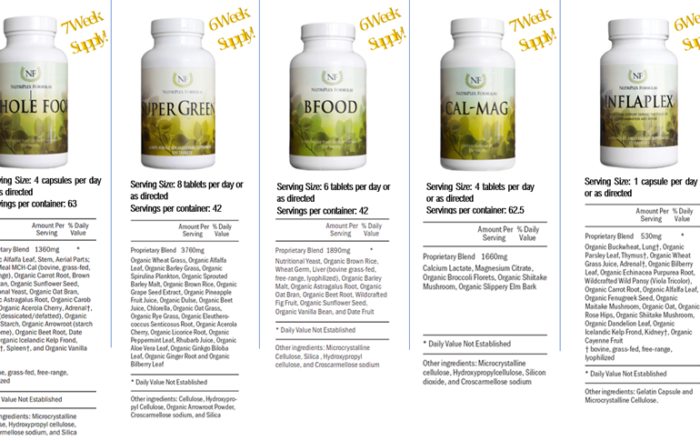
Very important at this time of year. For your immune system, for your nervous system, for your overall well-being. Particularly for depression are the B vitamins. I mean the whole B complex. All 28 plus of them. The best place to get them all is in our B Food. Some people do well on 4-6 daily and take more when they feel the blahs, depression, etc. “coming on”. Others like students who get stressed out/freaked out at too much work at school, have been known to take 4-6 at a time, several times a day. B Food is just foods that are high in the B complex so it can only help. Just be sure to get enough water as you take them.

Sleeping

Insomnia means different things to different people. Difficulty getting to sleep, waking up, sleeping poorly, waking up exhausted. In the old days, a cup of warm milk would give your body a good dose of Ionizable Calcium to relax your nerves and muscles. Usually, because the milk is not an option, I will tell patients to try extra Cal Mag first. This helps relax the nerves and muscles. Sometimes adding a few Green Nutrients will be necessary as well. But try one thing at a time and experiment. These products can together act as a mineral tranquilizer, simply calming down your system.

Traditionally, Chamomile tea has calming qualities. The problem these days is the quality, like so many other products. But a cup of it before bed may help as well.

Chiropractic Care

Having been in practice now for over 25 years, I am constantly amazed how the chiropractic adjustment helps so many conditions. One of them your sleeping patterns. It is not uncommon for patients to report how much better they sleep when they get their regular maintenance adjustment. Maintenance means different things to different patients. But the consistency of care is what makes the difference in your overall health and well-being.

Finally, I wish you and your family a Happy and Healthy Thanksgiving and upcoming holidays. Call me and help me help you have better health this coming winter.


Dedicated to your health,

Dr. Siegfried

P.S. None of the above statements have been evaluated by the FDA.


NEW!!!Non Surgical Facial and Body Sculpting, Rebecca Siegfried’s Micro current Cosmetic System, Advanced Technology for Skin Rejuvenation, #1 in America, This “Fountain of Youth” refreshes your face leaving you with firmer, and more vibrant looking skin. Smooth out facial lines, revitalize skin tone and texture, re-educate muscles in face and body. No wonder it’s called the natural non-surgical face-lift! Regular treatments $95.00. First treatment special only $30.00! Times are limited. Call now and ask about our package offers.


Post by: Dr. Siegfried on 2011-12-28 09:31:44

Test

test content

Post by: Support on 2011-12-26 14:03:24

Hormones and your health

Hormones are the building blocks for new cells. They are made from fat soluble vitamins primarily from animal sources. Animal sources having "specific dynamic action" not always found in other sources like plants, vegetables. The fat soluble vitamins a,d,e,f,k are the "precursors" to hormones. Some of the best sources are the following foods: raw milk, cod liver oil, butter, olive oil, flax oil, wheat germ oil, etc. They provide the basic building blocks for hormone production so long as your digestion and liver are working well. Once the basic building blocks are available. the liver will then make the necessary hormones the different glands, like thyroid, need to function at their optimal levels, which means making new cells and "running your car/body" the way it should be. Building up and cleaning up the body through detoxification. Making new cells builds strong bodies. The daily production of new cells outweighing the breakdown of cells slows down the aging process.

Post by: Dr. Siegfried on 2011-09-23 10:44:51

Older Posts